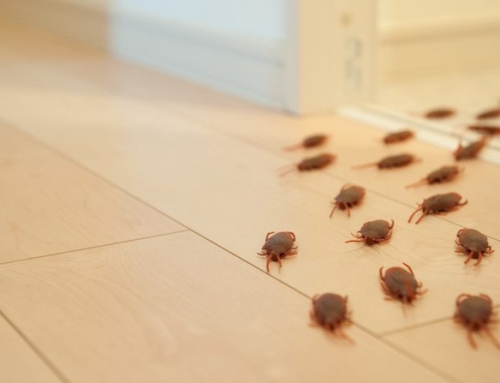
Termites are some of the most destructive pests that can silently invade your home. Many homeowners don’t notice an infestation until significant damage has already occurred. If you’re wondering how to find out if you have termites, it’s important to understand termites inside house, their behavior, and the signs of white ants, a term often used in some regions for termites.
Learn to identify the early warning signs of termites, check the most vulnerable spots in your house, and take steps to prevent major damage.
Understanding Termites
Termites are social insects that feed on cellulose, the primary component of wood, paper, and plant materials. They prefer warm, humid environments and can quietly damage your home for months or even years before you notice. Knowing how do you know if you have termites can save your home from costly repairs.
In Canada, termites termites are increasingly reported in urban and suburban areas. Recognizing their habits, preferred environments, and the signs of their activity is essential for any proactive homeowner.
Types of Termites
- Subterranean termites: Live underground and build mud tubes to access wood above ground. They often enter homes through soil contact and are responsible for the majority of structural damage in Canada.
- Drywood termites: Do not require soil contact and can infest furniture, flooring, or structural beams. Signs include small piles of frass (sawdust-like droppings) and tiny holes in wood surfaces.
- Dampwood termites: They prefer wood that is damp, so they often live in basements, crawl spaces, and places with water leaks.
Importance of Early Detection
Early detection is critical to preventing a full-blown infestation. The sooner you identify indication of termites, the easier it is to take action. Learning how to tell if you have termites helps homeowners respond early, reducing the chance of major damage and costly repairs.
Actively monitoring your property for termite signs inside house and being aware of signs of white ants in house can mean the difference between a minor intervention and a costly remediation. Regular inspections are particularly important in older homes or properties with significant wooden structures.
Signs of Termites in Your Home
Common Indications of Termites
- Hollow-sounding wood when tapped
- Mud tubes along walls or foundations
- Tiny piles of sawdust-like material near wood structures
- These are clear signs of termites in home and signs of white ants in house that should never be ignored.
Early Stage Signs of Termites in Ceiling
- Small pinholes or cracks in paint
- Bubbling or peeling paint
- Tiny wings or discarded termite skins
- Recognizing early stage signs of termites in ceiling helps prevent major damage.
Termite Evidence in House
- Sagging doors or floors
- Discolored or damaged wood
- Unexplained cracks in walls or flooring
- Wood that sounds hollow when tapped
- These are common termite signs inside house and provide homeowners with clear signs of termites in house.
If you’re asking how do u know if u have termites, these indicators are the most common signs that an inspection is needed. Understanding how to tell if you have termites is critical for preventing further termite infestation.
Key Areas to Inspect for Termites
Wood Structures
Beams and Supports
Termites often target structural beams, joists, and support columns. Look for tunnels, soft spots, or hollow wood. Understanding termites inside house helps focus inspections on critical areas.
Flooring and Cabinets
Inspect hardwood floors, cabinets, and shelving. Buckling wood, holes, or soft spots are indications of termites and termite signs inside house.
Exterior Areas
Siding and Fences
Check for mud tubes, damaged wood, and signs of white ants on siding, fences, and decks.
Foundation and Basements
Subterranean termites enter through foundations. Inspect for cracks, soil contact with wood, and moisture-prone areas. Knowing how can you tell if you have termites in your foundation helps prevent long-term damage.
Moisture-Prone Areas
Crawl Spaces and Attics
Crawl spaces and attics provide humidity that termites love. Look for damaged wood, mud tubes, and termite symptoms in these areas.
Bathrooms and Kitchens
Moisture around sinks, tubs, and plumbing lines attracts termites. Spotting how to know if u have termites in these areas is essential for prevention. Inspecting termites in house areas prone to leaks is a must for every homeowner.
Tools for Detecting Termites
Visual Inspection
Look for mud tubes, damaged wood, or swarmers. This helps homeowners identify how do you know if you got termites early.
Moisture Meters
Moisture meters can find damp areas where termites thrive, helping you spot termite evidence in house and understand how to tell if u have termites before serious damage occurs.
Termite Detection Devices
Bait stations and electronic termite detectors are effective in identifying termites inside home before they spread. Knowing how to tell if u have termites allows for timely intervention.
Conclusion
Termites are silent but destructive pests that can cause serious damage if left unchecked. Recognizing signs of termites in home, understanding. How to tell if you have white ants? checking key areas regularly are important steps to protect your property. Early detection and professional intervention save money, preserve your home’s structural integrity, and ensure peace of mind. Avoid termite infestation by monitoring termite signs inside house and acting quickly.
Don’t wait until termites have caused costly damage. Call BugMaster Kelowna today at +1 250-826-8430 to schedule a professional termite inspection and consultation. Our experts will assess your home, identify any risks, and provide solutions to keep your property safe. Protect your investment today by knowing before it’s too late!